
The global economy is chugging along nicely these days. No major Western country is in a recession. The World Bank forecasts international growth to hold at 2.6% this year, up from a projected 2.4%. It believes growth will move further upward in 2025 to 2.7% Not sizzling, but very respectable.
What could throw a monkey wrench into this optimistic but doable forecast? Continued world conflicts and restrictive trade policies.
The World Bank noted, “A further proliferation of trade restrictions presents a substantial downside risk to global growth prospects. Heightened trade policy uncertainty and a further weakening of the multilateral trading system—both of which may follow from escalating trade restrictive measures—could have adverse effects on growth.”
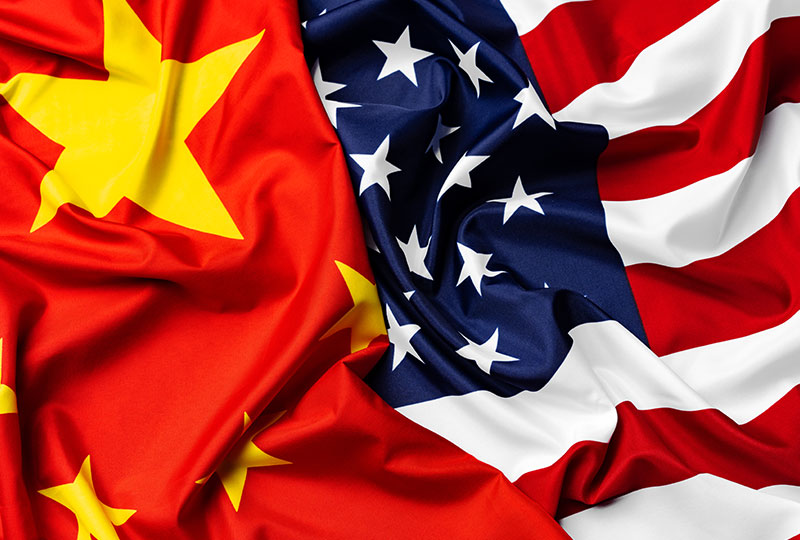
The two largest global superpowers, China and the U.S., are currently engaged in what amounts to a significant trade war. It started in earnest during the Trump administration when he slapped sizeable tariffs on China and on some allies like Japan and Europe. This was part of Trump’s plan, which included a threat to withdraw from defense and trade treaties. His isolationist policies proved popular with the electorate.
Trump vows to continue this trend, if elected, with 60% tariffs on Chinese goods and 10% on imports from other areas.
But the Biden administration, though more selective, has continued many of Trump’s policies, especially with regard to China. The president recently imposed new tariffs on selected Chinese imports including electric vehicles, solar panels, steel, and aluminum.
The concept of globalization or the interconnectivity of world economies took a hit during and after the Covid-19 pandemic. Supply chain disruptions demonstrated that nations couldn’t rely on imports to satisfy the demand for consumer and industrial products at home. Global tensions between the West and China prompted governments to use trade as a weapon.
In addition, countries devised “industrial policies” to promote and protect their own industries such as semiconductors and green technologies.
“Now in the United States, both major parties are protection parties, they just sing slightly different melodies,” says Gary C. Hufbauer, Senior Fellow at the Peterson Institute for International Economics in Washington. “That has an effect around the world.”
The problem is in flexing their trade muscles, governments are also hurting rather than helping their economies, especially in an inflationary environment. According to Goldman Sachs, between 2018 and 2020, prices of tariff-targeted products rose about 4%, while prices of non-tariffed goods fell 1%. Interestingly, the higher prices hit American consumers and companies harder than Chinese exporters.
China provokes dispute
Still, much of the blame for protectionist policies rests with China. In an effort to get China’s own economy moving, China invested heavily in the manufacturing sector, resulting in many more goods destined for export. Treasury Secretary Yellen hit China for creating an overcapacity that led the government to ship its products overseas at low prices.
According to many estimates, trade restrictions increased by 500% worldwide between 2015 and 2023. The International Monetary Fund believes these trends could be very expensive, costing the global economy up to $7 trillion over time, or about 7% of world GDP.
But the more immediate worry is inflation. With both American political parties digging in on their commitments to high tariffs, the cost to domestic companies and consumers could balloon and lead to a revival of high inflation.



